Transform Your Space with Luxury Interior Designers in Sector 106 Gurgaon
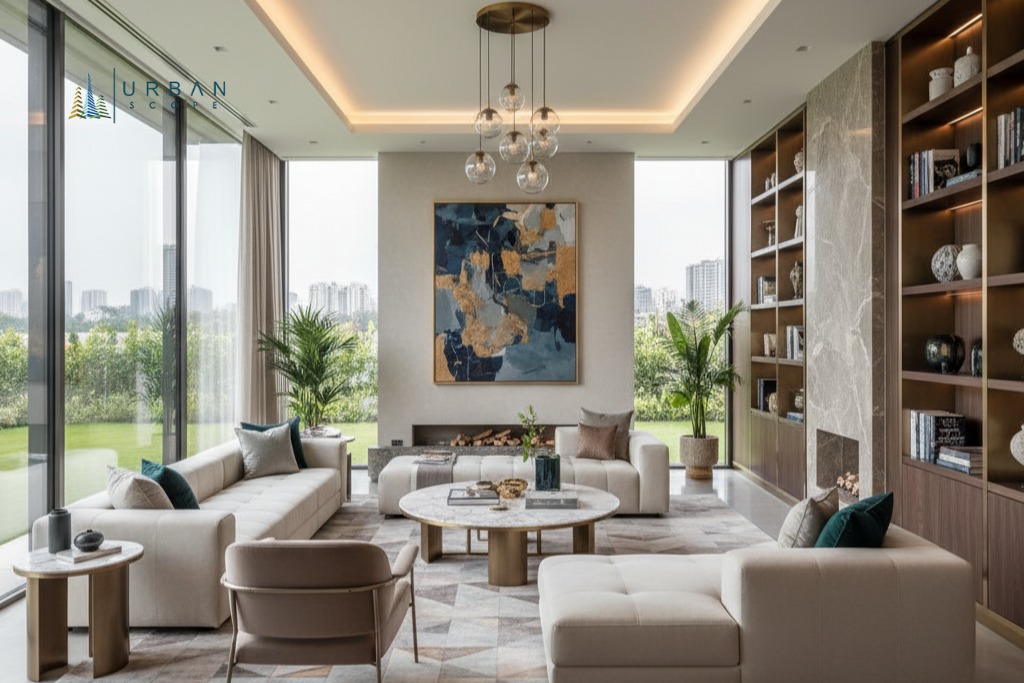
Modern homes deserve thoughtful design, and expert planners focus on comfort, elegance, and smart space use. Luxury Interior Designers in Sector 106 Gurgaon create bespoke interiors using premium materials and refined aesthetics tailored to each client’s lifestyle. Their attention to detail ensures every space feels sophisticated, functional, and timeless. Went apartment hunting with my friend Priya last month. She dragged me to see five different projects in Sector 106. And I’ll admit, I was impressed. The Dwarka Expressway has completely transformed this area’s connectivity. Her office is in Cyber Hub—tested the route on Google Maps. Twenty-eight minutes in normal traffic. Compare that to the hour-plus commute from where she currently stays in Faridabad. No contest. But here’s what really got me. We walked into this show flat—gorgeous, right? Magazine-perfect lighting, fancy furniture, those decorative pieces nobody actually owns in real life. Then we saw an occupied flat on the same floor. Owner had moved in six months ago. Did everything himself, no designer. Same layout, same square footage. Looked completely different. And not in a good way. Furniture didn’t fit right. Random stuff piled in corners. Paint colors fighting with each other. Made me realize something—having a nice apartment and making it actually nice to live in? Two totally different things. What Luxury Actually Feels Like Had this long chat with my aunt last Diwali. She’d just finished renovating her Delhi house—spent a fortune on it. Italian this, German that, imported everything. Looked incredible in photos. But when I stayed over? Nightmare. The fancy rainfall shower had pathetic water pressure. The gorgeous white sofa showed every tiny stain. The “ambient lighting” was too dim to actually read by. All show, zero function. Contrast that with my boss’s place. She’d worked with proper luxury interior designers in Gurgaon who actually understood how she lived. She’s got two kids under ten—they designed around that reality. The living room sofa? Beautiful fabric but also stain-resistant and easy to clean. The coffee table? No sharp corners because kids. The kitchen? Everything she uses daily is within easy reach. The stuff she uses once a month is tucked away in higher cabinets. Seems basic but most people get this wrong. Real luxury isn’t about price tags. It’s about your home working WITH you, not against you. Finding the light switch in the dark without fumbling. And having enough charging points exactly where you need them. It’s closet space that actually fits your clothes without stuffing. It’s that feeling when you come home after a terrible day and everything just… exhales with you. The Sector 106 Design Edge Know what’s great about these newer sectors? The buildings aren’t dealing with twenty-year-old plumbing systems or outdated electrical setups. My colleague bought in Sector 28 last year. Wanted to install a modern chimney—turns out the kitchen exhaust duct was built for those ancient tiny chimneys from 2005. Had to break walls, reroute ductwork, whole mess. Cost him an extra 80k just to fix infrastructure before actual design work could start. In Sector 106? Most of that’s already sorted. The apartments come with decent ceiling heights—not those cramped 9-foot ones from older buildings. Windows are actually sized properly for natural light and ventilation. Bathroom waterproofing is done right so you’re not dealing with seepage issues two years down the line. Means designers can focus on making things beautiful instead of first making things functional. The views alone are worth it. My friend’s apartment on the 15th floor? You can see SO far. Morning coffee on the balcony hits different when you’re not staring at another building three feet away. Course, those big windows need proper treatments. Can’t just hang random curtains. Need blackout options for bedrooms, sheer for living areas, maybe motorized for those super high windows. Details matter. Where to Actually Start So you’ve got keys in hand. Exciting moment, right? First thing everyone does—including me when I bought my place—is run to furniture stores. IKEA, HomeTown, Pepperfry, whatever. Start buying stuff. Stop. Put down that credit card. This is exactly how you mess up. My neighbor bought this stunning L-shaped sofa during a Diwali sale. Gorgeous piece, amazing discount, super proud of the deal. Delivery day comes. Won’t fit through the door. Had to return it. Then bought another one. Too big for the living room, blocked the balcony access. Finally got it right on the third try. Could’ve avoided all that drama with basic planning. Better move? Get professional eyes on your space first. Even one consultation with experienced interior designers in Gurgaon changes everything. They’ll walk through, take measurements you didn’t think about, point out stuff you’d never notice. Like “this wall gets afternoon sun till 6 PM—dark colors will make it feel like a sauna” or “your building’s water pressure is weak—forget that rain shower you wanted” or “see how the living room connects to the bedroom? Need some visual separation there.” And please, PLEASE be honest about budget. Don’t say 20 lakhs when you’ve actually got 12. Designers can work magic within realistic budgets. But they can’t read minds. Give them the real number. They’ll tell you what’s possible, what’s not, where to prioritize. Maybe you splurge on the master bedroom and bathroom since that’s your daily sanctuary. Guest bedroom? Keep it simple. Those folks visit twice a year anyway. How This Whole Thing Actually Happens My sister just finished her apartment in Sector 106. Learned a ton watching her process. First meeting with her designer lasted forever. They talked about everything. Her morning routine. Where she works from home. Whether she cooks daily or orders in. Her shoe collection (massive—needed serious storage). Whether she entertains guests. What kind of lighting she likes. Whether she’s a neat freak or lives in organized chaos. Week later, designer came back with this whole presentation. Colors, materials, furniture styles, 3D renders of key areas. My sister hated the living room concept initially. Too modern for her taste. Told the designer straight up. They revised it. Much better. This back-and-forth
Experience Premium Living with Luxury Interior Designers in Sector 59 Gurgaon
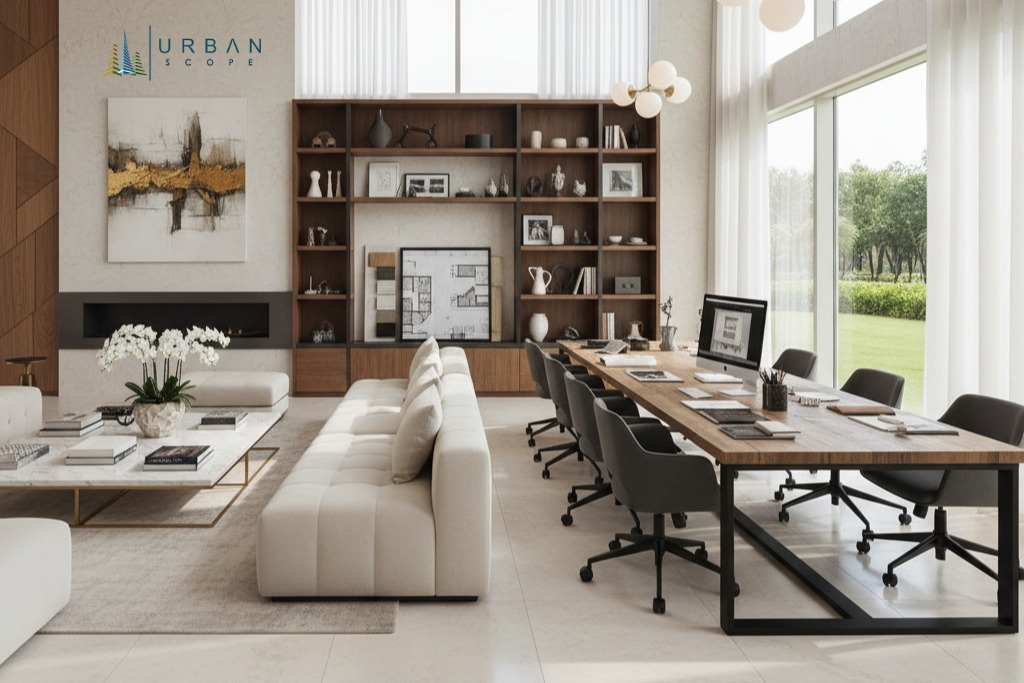
A well-designed home blends comfort with elegance, creating a space that truly reflects your lifestyle. Luxury Interior Designers in Sector 59 Gurgaon specialize in bespoke interiors, premium finishes, and sophisticated décor tailored to modern living. Their expertise ensures every corner of your home feels stylish, functional, and timeless. Five years back, hardly anyone talked about Sector 59. Now? It’s where every second person I meet wants to buy property. And honestly, I get it. The moment you enter this sector, something feels different. The roads are wider, there’s actual greenery, and you’re close enough to Cyber City without dealing with that nightmare traffic daily. My cousin moved here last year. Bought a 3BHK in one of those new towers. Beautiful apartment—huge windows, great natural light, decent ceiling height. But here’s the thing—it looked like every other builder-grade flat until she got designers involved. That transformation? Mind-blowing. Suddenly the place had character. It felt like HER home, not just another apartment. Luxury Doesn’t Mean What You Think I used to think luxury meant Italian marble everywhere and a chandelier in every room. Turns out, I was totally wrong. Met this designer at a friend’s housewarming—she explained it so well. Luxury is when your home just works for YOU. When you walk in after a brutal Monday and everything feels right. The lighting’s perfect. Your favorite chair is exactly where it should be. There’s a spot for your coffee mug that makes sense. The really good luxury interior designers in Gurgaon ask weird questions during consultations. Like, “Which room do you spend most time in on Sunday mornings?” or “Where do your kids dump their school bags?” Seems random, but it’s not. They’re figuring out how you actually live, not how design magazines say you should live. Sector 59 Homes Are Different—Here’s How Worked with a property consultant recently who showed me around five different projects in Sector 59. The layouts here are just… better. Most apartments have these massive windows—floor to ceiling in some cases. Great for Instagram photos, terrible if you don’t know how to work with that much light. Seen homes where the afternoon sun makes the living room unbearable. Then seen others where designers used the right curtains, positioned furniture smartly, and suddenly that same sunlight becomes an asset. Space is another game-changer. A friend’s paying the same EMI for a 1600 sq ft place in Sector 59 as someone else pays for 1100 sq ft in Sector 54. That extra 500 sq ft? Changes everything. You can actually have a proper home office. A real dining area, not a table squeezed next to the kitchen. A balcony where you can sit, not just dry clothes. How the Whole Design Thing Actually Works So here’s what happened when my neighbor started her interior project. First meeting with the designer lasted three hours. THREE HOURS. They talked about everything—her work schedule, her husband’s cricket memorabilia collection, where their daughter does homework, how often they have people over for dinner. Week later, the designer came back with these mood boards. Not gonna lie, half of it went over my head. But my neighbor loved it. She could see how the grey she wanted would work with the wood tones, how the furniture style matched her vibe. Made the whole thing less scary, you know? Less of a leap of faith. Then came the execution part. This is where having experienced interior designers in Gurgaon really matters. My neighbor didn’t have to chase contractors or worry about delivery dates. The designer handled all that. When the carpenter messed up the TV unit measurements? Designer sorted it. When the imported tiles arrived damaged? Designer dealt with the supplier. My neighbor just showed up for key decisions and approvals. What’s Actually Trending Right Now Been to three housewarming parties in Sector 59 this month alone. Noticed something interesting—everyone’s going green. Not the color (though that’s popular too). I mean actual plants. Lots of them. One guy has this entire wall that’s just plants. Looks incredible. Apparently it’s called biophilic design or something. Designers are pushing it hard because it actually makes you feel better. Science backs it up too. Smart homes are everywhere now. But here’s what separates good installations from bad—visibility. Or rather, lack of it. Visited one apartment where they had these ugly white panels on every wall for controlling lights and AC. Totally killed the aesthetic. Then saw another place where everything’s hidden or integrated into the design. You’d never know it’s a smart home until the owner shows you. Custom furniture is huge. My sister-in-law wanted a specific size dining table—had to fit eight people but also not crowd the room. Couldn’t find anything readymade that worked. Designer got a local carpenter to build exactly what she wanted. Cost about the same as buying a branded one, but fits perfectly and looks way better. Why Materials Matter More Than You’d Think Remember that cousin I mentioned earlier? She tried saving money initially by going with cheaper flooring options. Within six months, started seeing wear patterns. Some tiles cracked. Had to redo the whole thing eventually. Ended up spending more than if she’d just invested in quality from the start. Good designers know which materials age well. That solid wood dining table might seem expensive now, but twenty years later it’ll still look great—better actually, with that aged wood character. That Italian leather sofa develops this beautiful patina over time. Meanwhile, cheap alternatives look worse every year. Let’s Talk Money Not gonna sugarcoat it—good design costs money. But throwing money randomly at expensive stuff doesn’t guarantee good results either. Smart designers know where to splurge and where to save. Maybe you go all out on that stunning entrance foyer because it’s the first thing people see. But the guest bedroom? Can be simpler because hardly anyone uses it. Here’s something interesting though. Two identical apartments in the same building—one professionally designed, one not. Guess which one sells faster and for more money when
Experience Premium Living with a Luxury Interior Designer in DLF Phase 5
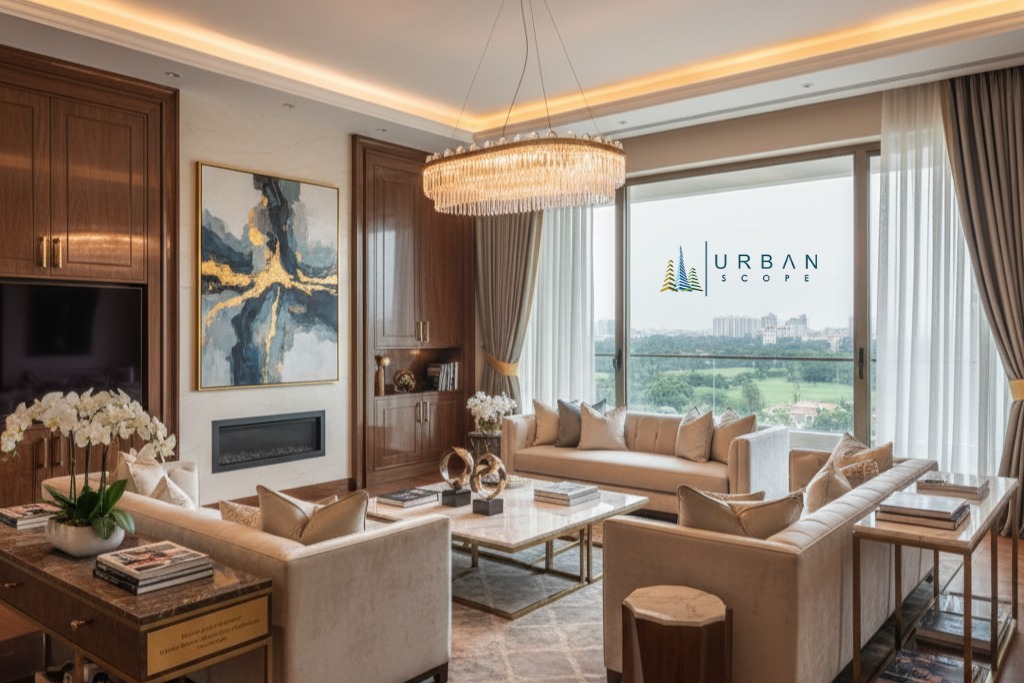
DLF Phase 5 represents one of Gurgaon’s most exclusive residential addresses. If you own property here, you’ve already made a statement about your expectations for quality living. This isn’t a neighborhood for people settling for good enough—it’s where successful professionals, established business owners, diplomats, and affluent families choose to live because they refuse to compromise on lifestyle. The location delivers everything you’d expect from a premium address. Connectivity to Cyber City and other major business districts is seamless. DLF Galleria and Galleria Market put world-class shopping literally at your doorstep. Top international schools are minutes away, not stuck in traffic across the city. Quality medical facilities are nearby when you need them. Despite being centrally positioned, the neighborhood maintains a peaceful residential character that’s increasingly rare in Gurgaon. Beyond location, the physical environment here just feels different from other neighborhoods. Streets are wider and impeccably maintained. Mature trees create beautiful green canopies over roads, making even summer bearable. Parks are actually well-kept spaces where children can play safely, not neglected patches of dying grass. The infrastructure functions properly—power cuts are rare, water pressure is adequate, drainage works. Security is visible but not oppressive. Walk around DLF Phase 5 and you’ll notice the caliber of residents. Senior executives at major corporations. Founders of successful companies. Professionals earning substantial incomes. Families who’ve accumulated considerable wealth. There’s an unspoken understanding here that everything reflects a certain standard. Your vehicle, your club memberships, where your children study, how you present yourself—these things matter. And absolutely, your home interiors matter. Yet many residents fall short on that last point. They’ve invested huge sums securing property at this prestigious address, but their interiors tell a different story. Walk into some DLF Phase 5 homes and the disconnect is jarring. The building’s exterior and location scream success and sophistication, while the interiors look disappointingly ordinary, poorly planned, or frankly mediocre. That mismatch doesn’t just diminish the property—it reflects poorly on the owner. Where DIY Design Goes Wrong Attempting to design your own interiors seems reasonable initially. You’ve browsed thousands of beautiful rooms on Pinterest and Instagram. You’ve visited furniture showrooms across Gurgaon and Delhi. Online retailers will ship anything you want directly to your door. You have taste and opinions about what you like. How hard could pulling it all together possibly be? Much harder than you imagine, as countless frustrated homeowners discover after spending lakhs on furniture that doesn’t work. That sectional that looked perfect in the showroom completely overwhelms your living room once delivered. The sophisticated gray you agonized over for weeks looks awful on your walls under your specific lighting. The layout you planned creates awkward bottlenecks you never anticipated. The individual pieces you bought separately clash horribly when placed together. The problem isn’t that you lack taste—it’s that interior design involves technical knowledge and principles that casual observation doesn’t teach. How does ceiling height affect what size furniture you should choose? What’s the relationship between room dimensions and rug size? How do you balance visual weight in asymmetrical spaces? How does the direction of natural light affect how colors look at different times of day? Which fabrics actually hold up under daily use versus which just look nice initially? Professional designers spend years learning these things through formal education and hands-on project experience. They’ve completed dozens or hundreds of projects. They’ve made mistakes and learned from them. They can walk into your space and immediately see opportunities and problems that won’t occur to you until after you’ve already committed expensive errors that can’t easily be undone. More importantly, skilled designers translate vague preferences into concrete reality. You say you want spaces that feel “elegant but comfortable” or “modern but warm.” Those descriptions genuinely capture what you want, but what specific colors, materials, furniture styles, lighting choices, and spatial arrangements actually create those feelings? That’s where professional expertise becomes invaluable. What Sets Luxury Design Apart Standard interior design and luxury design operate on completely different levels. The difference isn’t just about spending more money, though quality materials and superior craftsmanship definitely cost more than cheap alternatives. Real luxury design is about obsessive attention to detail, extensive customization, and creating spaces that feel genuinely exceptional. Luxury designers have access to resources ordinary people never encounter. They source fabrics from exclusive mills producing limited quantities for high-end clients rather than mass-market fabrics available in every furniture store. They work with custom furniture makers who build pieces to your exact specifications—precise dimensions, specific wood types, custom finishes, unique hardware—rather than forcing you to choose from standard options. They collaborate with specialized craftspeople creating one-of-a-kind elements. A metalworker fabricating custom light fixtures with hand-finished details. A master carpenter carving intricate panels or building bespoke cabinetry. A stone specialist personally selecting marble slabs and overseeing installation to achieve perfectly matched veining patterns. A commissioned artist creating pieces conceived specifically for your space. The quality of execution in luxury projects is immediately obvious to anyone paying attention. Cabinet doors align perfectly with absolutely consistent spacing throughout. Drawers operate smoothly on premium mechanisms that’ll function flawlessly for decades. Paint coverage is utterly flawless without drips, brush marks, or inconsistencies. Tile installations show perfectly uniform grout lines with meticulously finished corners and edges. Woodwork displays precise mitered corners without gaps or misalignments. Each detail might seem small individually, but they accumulate. The overall impression is unmistakable quality and refinement. You might not consciously notice every perfect joint, but you absolutely feel the difference between luxury execution and standard work. It’s like the difference between a hand-tailored suit and off-the-rack clothing—you might not be able to articulate exactly what’s different, but you know one feels dramatically better. Luxury design also eliminates compromises. Want a specific blue shade that doesn’t exist in standard paint lines? It gets custom mixed to match your vision exactly. Need a sofa in dimensions that don’t match anything manufactured? A furniture maker builds it to your specifications. Desire those handmade tiles you photographed in Morocco? They get sourced
Transform Your Home with a Luxury Interior Designer in Sector 42 Gurgaon
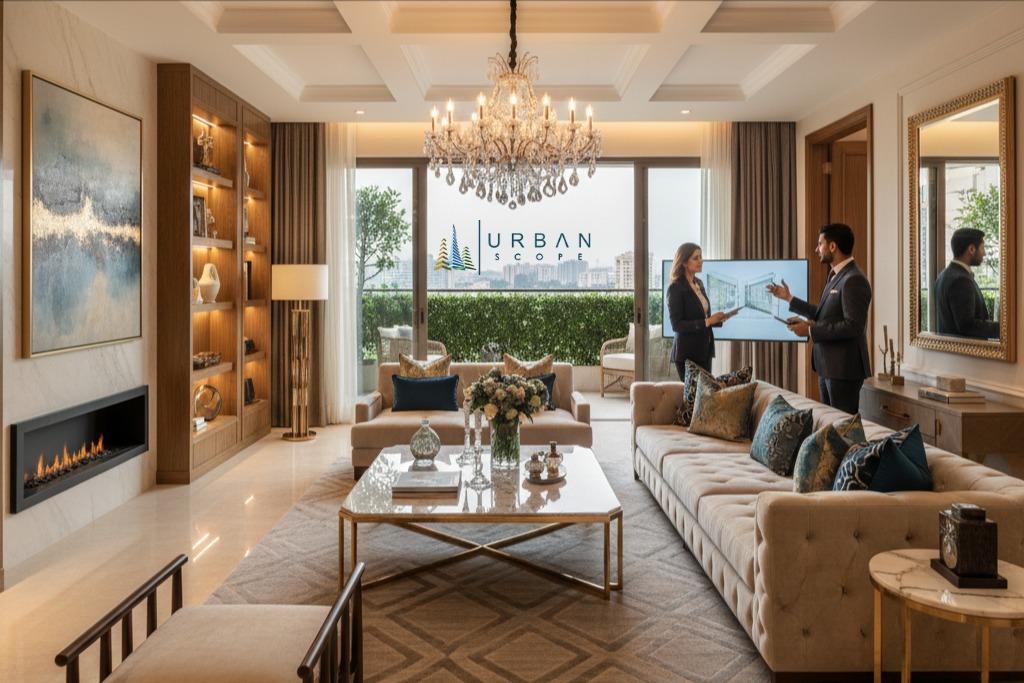
Think about how much time you actually spend at home. You wake up there every morning. You return there every evening after work. You spend weekends there relaxing, entertaining friends, pursuing hobbies. Your children grow up there. Important conversations happen around your dining table. Quiet moments of reflection occur in your bedroom or living room. Given how central home is to your life, shouldn’t it be absolutely wonderful? Yet most homes fall disappointingly short of their potential. Rooms feel generic and impersonal. Furniture arrangements create awkward traffic patterns. Storage is inadequate, so clutter accumulates on every surface. Colors don’t work together harmoniously. Lighting is too bright in some spaces, too dim in others. The overall feeling is “fine” but never “fantastic.” You deserve better than fine. Your home should energize you when you walk through the door, not drain you. It should reflect who you actually are, not some generic showroom aesthetic. It should work with your life rather than against it. Achieving this level of excellence requires professional expertise, not just good intentions and Pinterest boards. Why Sector 42 Properties Need Special Attention Sector 42 has become one of Gurgaon’s most coveted residential areas. The location attracts successful professionals, entrepreneurs, senior corporate executives, and established families who expect quality in every aspect of their lives. Properties here aren’t cheap—whether you’re in a spacious apartment or an independent villa, you’ve made a significant investment. The neighborhood offers excellent infrastructure, convenient access to business districts, proximity to top-rated international schools, nearby medical facilities, and a relatively peaceful environment compared to more congested areas. Residents chose Sector 42 deliberately, valuing the lifestyle it enables. But here’s the thing—a premium address deserves premium interiors. There’s a disconnect when someone lives in an expensive Sector 42 property with mediocre, uninspired interiors that could belong to any middle-class home anywhere. The exterior and location promise luxury, but the interior experience falls flat. Professional interior design bridges that gap, ensuring your home’s interiors match the quality of its address. What Actually Separates Good Design from Mediocrity Plenty of people attempt DIY interior design. They measure rooms, browse furniture stores, pick colors they like, order a few pieces, and hope everything comes together. Sometimes it works reasonably well. More often, it doesn’t. The sofa seemed perfect in the showroom but overwhelms your living room. That accent wall color you loved on Instagram looks garish on your actual walls. The layout feels cramped even though you measured everything carefully. What’s missing is professional training and experience. Designers spend years learning principles that aren’t obvious to untrained eyes. They understand how to manipulate proportion and scale. They know how ceiling height affects appropriate furniture sizes. They recognize how natural light changes throughout the day and impacts color perception. They understand traffic flow patterns and how furniture placement either facilitates or impedes movement. They know which materials perform well in different applications. Which upholstery fabrics resist staining and wear. Which flooring options withstand heavy foot traffic. Which countertop materials tolerate heat and acidic substances. Which paint finishes hide imperfections versus which highlight every wall flaw. Beyond technical knowledge, skilled designers excel at interpretation. You might describe wanting spaces that feel “warm but not cluttered” or “sophisticated but comfortable.” Those somewhat vague descriptions contain your genuine desires, but translating them into specific design decisions—particular color palettes, furniture styles, material selections, lighting approaches—requires expertise most people don’t possess. Understanding Luxury Design’s Real Meaning Luxury design isn’t just standard design with more expensive furniture thrown in. The difference goes deeper than budget, though quality materials and craftsmanship certainly cost more than cheap alternatives. Real luxury design is about obsessive attention to detail, extensive customization, and creating environments that feel genuinely special. Luxury designers maintain supplier relationships you’ll never access browsing retail stores. They source fabrics from specialty textile mills producing limited editions. They work with furniture makers who craft pieces to precise custom specifications. They know lighting designers who create one-of-a-kind fixtures. They collaborate with artisans—metalworkers, woodworkers, stone carvers—who produce bespoke elements specifically for your project. The execution quality in luxury projects is noticeably superior to standard work. Cabinet doors align perfectly with consistent gaps. Drawer mechanisms glide smoothly on premium hardware. Paint applications are absolutely flawless without any drips, brush marks, or coverage inconsistencies. Stone installations show perfectly matched veining patterns. Trim work displays precise mitered corners and seamless joints. Each detail might seem minor individually, but collectively they create unmistakable quality. Luxury design means zero compromises. Want a specific blue shade that doesn’t exist in any manufacturer’s standard line? A custom color gets mixed to your exact specifications. Need a dining table in dimensions that don’t match anything produced? A craftsman builds it precisely to your requirements. Desire tiles in a particular pattern not available commercially? An artisan creates them specifically for your project. This customization level ensures your home genuinely embodies your vision rather than representing endless compromises. Starting with Comprehensive Understanding Every successful project begins with deep understanding—of the physical space, of the people living there, of how daily life actually unfolds in that particular home. Generic solutions that treat every project identically inevitably disappoint because every situation is fundamentally unique. Maybe you’re passionate about cooking and want a kitchen that functions like a professional workspace. Perhaps you work remotely and require a home office that facilitates productivity during video calls. You might have active teenagers needing dedicated homework spaces and areas for socializing with friends. Or maybe you’re finally ready to create that sophisticated adult environment you’ve postponed for years while raising children. Thoughtful designers invest considerable time understanding your specific situation before proposing anything. They’ll visit your home multiple times at different hours, observing how sunlight moves through rooms, noticing where congestion occurs, identifying which spaces feel cramped versus which feel empty and underutilized. They’ll ask detailed questions about daily routines. What time does everyone wake up? Who uses which rooms when? Where do frustrations occur in your current arrangement? What activities happen in each space?
Finding Your Dream Interior Designer in Gurgaon for Luxury Living
Last month I walked into my friend’s newly done-up apartment in DLF Phase 4, and I literally stopped in my tracks. You know that moment when you see a space and think, “THIS. This is what I want my life to look like”? Everything just worked—the colors, the lighting, even the way her books were arranged felt intentional but not fussy. That’s when it hit me. We spend ridiculous amounts of money buying homes in Gurgaon, but most of us have no clue how to make them feel like ours. We scroll through Instagram, save a million pins, and then… nothing. Because turning those ideas into reality? That’s a whole different ball game. What Luxury Actually Means Can we just bust a myth right here? Luxury doesn’t mean walking into a furniture showroom and pointing at the most expensive sofa. I’ve been in homes where every piece probably cost a fortune, but the whole place felt like a hotel lobby. Cold. Impersonal. Like nobody actually lives there. Real luxury is coming home exhausted and sinking into a chair that’s positioned perfectly to catch the evening light. It’s having a kitchen where you actually want to cook Sunday breakfast. It’s guests asking, “Wait, where did you get this?” about some detail you never even noticed you’d been missing until your designer suggested it. The best luxury interior designer in Gurgaon doesn’t show up with a fixed vision. They show up with questions. Lots of them. How do you really spend your weekends? Do you work from home? Are you someone who hoards books or believes in digital minimalism? Do you throw dinner parties or prefer Netflix marathons with close friends? Because here’s the truth—good design is problem-solving dressed up pretty. Why Gurgaon Became This Design Powerhouse Remember when people used to joke about Gurgaon being all glass towers and no soul? Yeah, those days are long gone. What happened was interesting. This city started attracting people who’d lived everywhere—San Francisco techies, London bankers, Dubai entrepreneurs. They brought back these global sensibilities but wanted spaces that still felt rooted. You can’t just transplant a Scandinavian loft aesthetic into an Indian home where three generations might visit for Sunday lunch, right? Drive through Golf Course Extension or the Aralias, and you’ll see what I mean. These aren’t your standard 3BHK boxes. We’re talking about homes with private lifts, wrap-around terraces, ceiling heights that make you feel like you’re in a New York penthouse. But they need the right person to unlock their potential. And that’s created this amazing ecosystem of designers who actually understand this hybrid lifestyle we’re all living. How to Spot a Designer Who’s Actually Good I’ve made enough mistakes to save you some heartache here. That designer with 100K followers? Might be great. Might also be all style, no substance. Here’s what actually matters: Look at Their Range: Scroll through their portfolio properly. If everything looks identical, that’s a red flag. You want someone who can do moody and dramatic for one client, then turn around and create something light and airy for the next. That versatility means they’re designing for the client, not for their own brand. Notice Who’s Talking: In initial meetings, are they lecturing you about what’s “in” right now, or are they genuinely curious about your life? I once had a designer tell me I couldn’t have open shelves in my kitchen because “they’re so 2019.” Like, excuse me? If I want to see my grandmother’s china collection every day, that’s what we’re doing. Watch How They Handle Your Weird Requests: Everyone has something quirky they want. Maybe you collect vintage vinyl. Maybe you need a prayer room. Maybe you’re obsessed with your sneaker collection and want it displayed. Great designers light up at these challenges. Average ones try to talk you out of them. Check If They Actually Manage Projects: Anyone can sketch beautiful rooms. But can they wrangle contractors who vanish for days? Can they find that exact shade of blue you fell in love with? Can they solve the problem when your imported wallpaper gets stuck in customs? That’s where the real skill shows. See If They’re Stuck in Time or Moving Forward: Design evolves constantly. Smart home tech, sustainable materials, new lighting solutions—these things matter. Your designer should know about them without being obnoxiously trendy about it. The Styles That Actually Work in Our Homes Gurgaon’s got this unique thing going where traditional Indian design expectations crash into contemporary global aesthetics. Some combinations that are absolutely working right now: There’s this pared-down contemporary look that’s huge with the startup crowd. Everything earns its place. Neutral base with maybe one or two bold elements. It’s like the design equivalent of a well-tailored suit—simple but expensive-looking. Or you’ve got the neo-classical route for bigger homes, especially those massive apartments in sectors like 54 or the villas in South Gurgaon. Rich textures, detailed moldings, that sense of permanence and gravitas. Done well, it makes you feel successful without screaming “LOOK HOW MUCH MONEY I SPENT.” But personally? I’m obsessed with this new fusion thing that’s happening. Picture contemporary bones with these incredible Indian craft elements. Maybe it’s a sleek modern dining table paired with hand-block printed curtains from Jaipur. Or a minimalist living room with one stunning antique carved door repurposed as wall art. It feels authentic in a way that full-on contemporary sometimes doesn’t in Indian homes. And can we talk about bringing nature inside? After two years of pandemic lockdowns, everyone realized how much we need greenery and natural light. Indoor plants, natural wood, stone textures, maximizing windows—this isn’t just aesthetic, it’s mental health. Don’t Sleep on Noida’s Design Talent Quick sidebar because people always overlook this: some seriously talented professional interior designers in Noida are doing incredible work. The competition’s slightly less crazy than Gurgaon, so sometimes you get better rates for the same quality level. Plus, Noida’s newer sectors—especially the Expressway areas—have these gorgeous modern apartments that are basically blank
Best Interior Designers in Noida for Smart, Elegant Living Spaces
I’m standing in my brand new apartment in Sector 62 three years back, staring at empty walls and thinking I’ve got this whole interior thing sorted. I mean, how hard could it be, right? I’d binged every home improvement show on Netflix, had about 847 pins saved on Pinterest, and honestly believed that designing a home was just about buying pretty things and arranging them nicely. Fast forward four months. My place looked like IKEA had a fight with HomeTown and both lost. Nothing went together. The sofa I’d been so sure about looked ridiculous against the walls. I’d somehow made three bedrooms feel like a shoebox. And don’t even get me started on the “open concept” dining area that just made everything look messy all the time. That’s when my sister came over, took one look around, and said what I’d been avoiding—”You need professional help.” She wasn’t wrong. What I Learned About Design the Hard Way Look, I’m not someone who admits defeat easily. But trying to design my own space taught me that watching shows and actually understanding how design works are two completely different things. Every top interior designer in Noida knows something that took me months to figure out—good design isn’t about trends or expensive furniture. It’s about making your actual life easier while looking good. The designer I eventually hired did something I never expected on our first meeting. She didn’t pull out fabric swatches or show me portfolios. She just sat on my terrible sofa and watched me. For like an hour. She noticed that I always put my laptop on the dining table instead of my desk. That I’d somehow created a “junk chair” in the bedroom within weeks of moving in. That the kitchen layout made me walk in circles just to make chai. All those little observations ended up shaping decisions that now make my home feel effortless. I don’t think about where things go anymore—they just naturally have a place. That’s what good design does. It disappears into your life in the best possible way. The Fancy Stuff (If You’ve Got the Budget) Alright, let’s talk about the serious money end of things. My cousin works in finance and just had his penthouse done by one of those luxury interior designers in Noida, and honestly, walking into his place is like entering a different dimension. I’m talking about the kind of design where someone flew to Italy to personally select marble for his bathroom floor. Yeah, that level. These designers aren’t messing around. They’ve got connections to artisans making custom furniture in Jodhpur, sources for fabrics you didn’t know existed, and lighting designers who create fixtures specifically for your space. I watched my cousin’s designer spend twenty minutes explaining why a particular shade of grey would work better than another very similar shade of grey. At the time I thought she was being extra, but seeing the finished space, I got it. Every tiny detail added up to something exceptional. Here’s the thing though—and this surprised me—the really good luxury designers aren’t just about flexing wealth. The best work I’ve seen was subtle, almost understated. You walked in and felt something shift. Everything just felt right. The light, the proportions, the way spaces flowed into each other. It wasn’t screaming “look how expensive I am” but rather whispering “look how thoughtful this is.” Of course, this costs serious money. We’re talking 2500 to 5000 rupees per square foot, sometimes way more if you’re going crazy with it. My cousin spent close to 80 lakhs on his 2500 square foot place. That’s more than most people’s entire flats cost. But if you’ve got that kind of money and you want something genuinely special, these folks deliver. The Real World Budget Situation Now, back to planet Earth where most of us live. I had maybe 10 lakhs total to work with for my whole apartment, and honestly, I was terrified that wouldn’t be enough to do anything decent. Turns out, there are plenty of affordable interior designers in Noida who can work magic with regular-person budgets. The designer I ended up working with was upfront about what we could and couldn’t do. She showed me examples of other projects in my budget range—not the fancy stuff from her portfolio, but actual work that matched what I could spend. That honesty was refreshing after talking to designers who kept pushing me toward options I clearly couldn’t afford. We got creative in ways I’d never have thought of. Instead of that gorgeous imported marble I’d fallen for, she found local stone that looked 90% as good for a fraction of the price. We mixed custom pieces where it mattered—like the living room storage that had to fit specific dimensions—with smart ready-made furniture for other areas. She knew which IKEA hacks actually worked and which were disasters waiting to happen. My whole three-bedroom apartment got done for around 8.5 lakhs, and I’m not just saying this to sound positive—I genuinely love it. Could I have done it cheaper going solo? Maybe, but I’d have messed up somewhere expensive. The designer saved me from buying that beautiful but completely impractical white sofa I wanted. She stopped me from painting an entire wall dark blue, which would’ve made my already-not-huge living room feel like a cave. The biggest win was knowing where to spend and where to save. We put real money into the master bedroom and living room because I’m in those spaces constantly. The guest room is nice but simpler because, let’s be real, my parents visit twice a year and my friends crash there during weddings. That prioritization made the budget stretch way further. Finding Someone Who Actually Gets You Choosing a designer was way harder than I thought. I must’ve contacted 15-20 studios when I started looking. Half never replied. A few replied three weeks later, which told me everything I needed to know about how they’d handle an actual project.